Webulls Platform Breakdown: Technology, Market Access & Risk Framework
 hernandezyuman390@gmail.com
Introduction
Online brokerage technology continues to evolve, offering investors real-time data, advanced charting tools, and mobile-first execution. Webulls is commonly referenced among digital platforms designed for self-directed trading.
This article provides a structured, neutral overview of webulls, focusing on platform design, available tools, compliance considerations, and risk awareness. The content is informational and does not constitute financial advice.
What Is Webulls?
Webull operates as a digital brokerage service that enables individuals to access financial markets through web-based and mobile applications.
Webulls emphasizes:
- Data-driven trading interfaces
- Technical analysis tools
- Customizable dashboards
- Self-managed portfolio tracking
The platform is primarily designed for users comfortable making independent trading decisions.
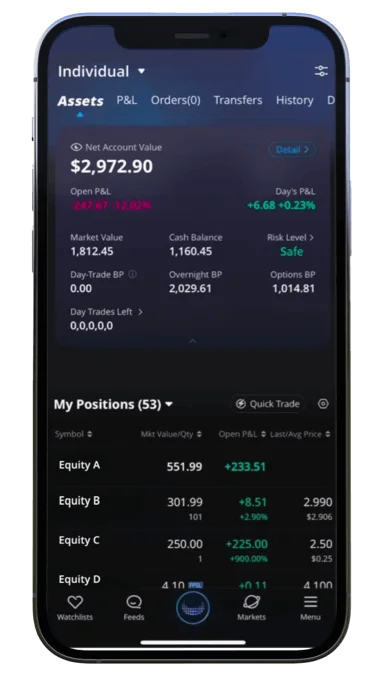
Platform Interface & Trading Tools


4
Webulls typically includes:
- Interactive stock charts
- Technical indicators (RSI, MACD, Bollinger Bands, etc.)
- Watchlists with price alerts
- Market news integration
- Portfolio performance dashboards
These tools allow investors to conduct independent analysis before executing trades.
Account Types & Onboarding
Opening a webulls account generally requires:
- Online registration
- Identity verification (KYC compliance)
- Financial background assessment
- Acceptance of brokerage agreements
Depending on eligibility and region, available account types may include:
- Individual brokerage accounts
- Margin accounts (subject to approval)
- Retirement accounts (where supported)
Regulatory requirements vary by jurisdiction.
Trading Products & Market Availability
Webulls may provide access to:
- U.S. equities
- Exchange-traded funds (ETFs)
- Options contracts
- Extended-hours trading sessions
Product availability can differ depending on geographic location and regulatory approval.
Fees & Cost Transparency
Most digital brokerage platforms outline:
- Commission structures
- Options contract fees
- Regulatory transaction charges
- Margin interest rates
Investors should review official fee disclosures before trading to understand total costs.
Risk Considerations
Investing through webulls involves financial risk. Important factors include:
- Market volatility
- Liquidity risk
- Leverage exposure (for margin users)
- Regulatory changes
- Tax implications
Trading decisions should align with individual financial goals and risk tolerance.
Security & Regulatory Compliance
Webulls generally implements industry-standard safeguards such as:
- Multi-factor authentication
- Encrypted data transmission
- Account activity monitoring
- Regulatory oversight compliance
Users are encouraged to enable all available security features and maintain strong password hygiene.
Webulls vs Traditional Brokerage Firms
| Feature | Traditional Broker | Webulls |
|---|---|---|
| Physical Branches | Often available | Digital-only |
| Advisory Services | Common | Self-directed focus |
| Advanced Charting | Varies | Integrated tools |
| Mobile Optimization | Moderate | Strong emphasis |
| Execution Control | Broker-assisted available | User-managed |
Webulls is built primarily for investors who prefer full control over trade execution.
Who May Evaluate Webulls?
Webulls may be considered by:
- Active traders using chart analysis
- Technology-oriented investors
- Mobile-first users
- Individuals seeking direct market access
Suitability depends on personal experience level and investment objectives.
Conclusion
Webulls is a digital brokerage platform offering self-directed trading tools, analytical dashboards, and market access through web and mobile applications. Investors researching webulls should carefully review regulatory disclosures, fee structures, and platform documentation before opening an account.
This article is for informational purposes only and does not provide investment advice.